
The Loss of Papyrus and an Uncomfortable Truth for the Charity Sector - Anthony Ashworth Steen, Wigan Youth Zone CEO
The loss of Papyrus, a charity dedicated to the prevention of young suicide, should make all of us uncomfortable.
Not because charities closing is unprecedented. Sadly, it isn’t.
What makes the loss of Papyrus so unsettling is that it was not an organisation lacking purpose, struggling to demonstrate impact or searching for relevance. It was supporting young people in their darkest moments, providing services to those experiencing suicidal thoughts and crisis, and quite literally helping to save lives.
And yet it was unable to continue.
In Judaism, my religion, there is a principle known as pikuach nefesh, which teaches that saving a single life is akin to saving an entire world. It is one of the most powerful principles in Jewish thought because it reminds us that every life has immeasurable value.
Viewed through that lens, the loss of Papyrus is not simply the loss of an organisation or a brand. It is the loss of countless acts of support, intervention, compassion and hope that helped young people find a path forward when they could not see one themselves.
But it should also force us to confront an uncomfortable reality.

One of the biggest misconceptions about charities is that impactful organisations will naturally survive. We like to believe that if something is valuable enough, funding will follow. That if outcomes are strong enough, sustainability will take care of itself. That organisations changing lives every day will somehow be protected from the challenges facing the rest of the sector.
Unfortunately, that is not how the world works.
A charity can be delivering outstanding outcomes, be deeply valued by its community and change lives every single day, yet still find itself in an unsustainable position. That is not a criticism of any particular organisation. Rather, it reflects the increasingly difficult environment in which many charities operate.
Across the sector, uncertainty has become normalised. Many organisations are facing rising demand, increasing costs and growing expectations whilst trying to plan for the future with limited long-term certainty.
Most charity leaders are expected to solve tomorrow’s problems with funding they have not yet secured. We recruit staff, commit to services, support communities and make strategic decisions whilst carrying a level of financial uncertainty that would be considered unacceptable in most other sectors. Alongside that, we are responsible for governance, safeguarding, fundraising, compliance, buildings, partnerships, risk management and the countless other responsibilities that come with running modern organisations.
This is not a plea for sympathy. Nobody forces us into these roles. We do them because we believe deeply in our missions and in the people we serve.
But it does raise an important question: have we become too comfortable with expecting charities to do more and more whilst accepting ever greater levels of uncertainty?
The cost of that uncertainty is significant. It consumes time and energy, limits long-term planning and too often forces organisations to focus on sustainability when they would rather focus on impact.
Imagine what could happen if charity leaders spent less time worrying about survival and more time improving services.
Imagine what could happen if organisations delivering proven outcomes had the stability to plan not just for the next funding round, but for the next decade.
And imagine what could happen if we took prevention as seriously as we take crisis.
This feels particularly relevant when talking about young people. Time and again, the evidence tells us that early help, youth work, mental health support and community-based interventions make a difference. They improve outcomes, reduce demand elsewhere and help young people before challenges become crises.
Organisations such as Papyrus exist because too many young people reach crisis point. The long-term challenge for all of us is to build systems, services and communities that help more young people long before they get there.
We know prevention works. We know it delivers better outcomes for young people. We know it is significantly less costly than dealing with the consequences when problems escalate. Yet prevention remains one of the hardest areas to fund consistently.
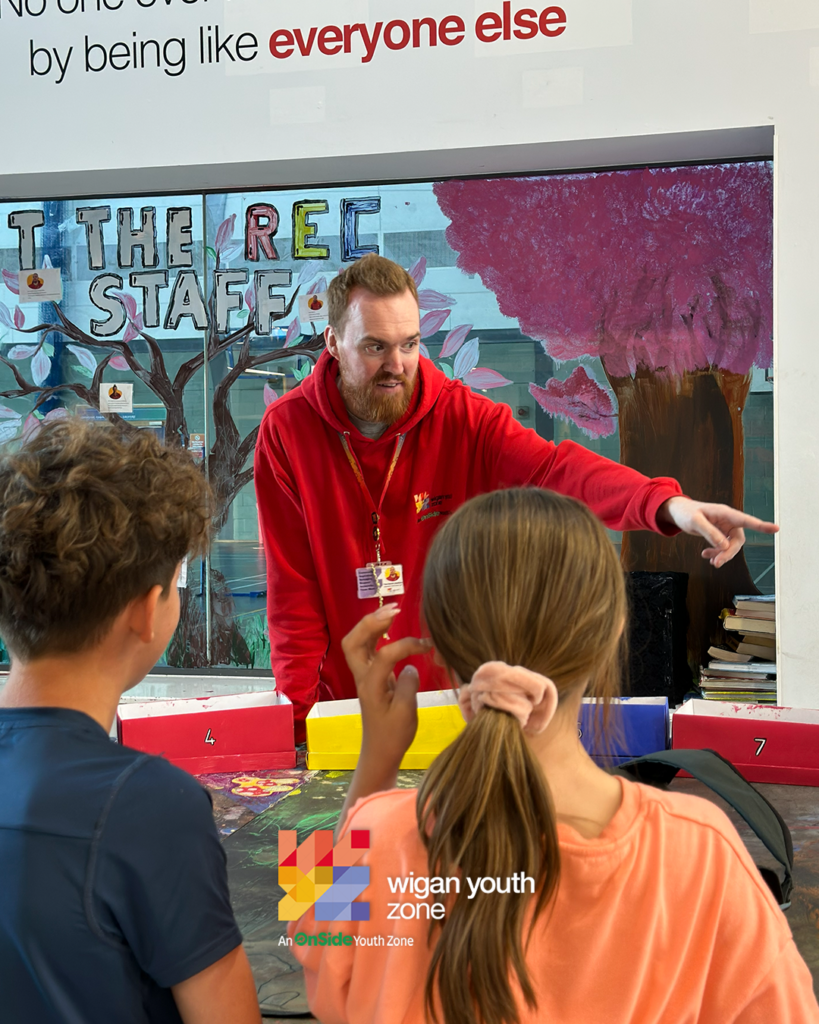
At Wigan Youth Zone, we witness the power of prevention every day. We see young people grow in confidence, build trusted relationships and access support long before they reach crisis point. Whilst no single organisation can solve every problem, these experiences reinforce a simple truth: investing earlier is better for young people, families and communities alike.
That is one of the reasons the loss of Papyrus feels so significant. It is not merely the loss of a charity; it is a reminder that even organisations carrying out some of society’s most important work are not immune from the pressures facing the sector.
So why am I writing this?
Because if there is one thing we should learn from moments like this, it is that we cannot wait until organisations disappear before recognising their value.
If there is a charity you care about, support it now. Donate if you can. Volunteer if you have the time. Introduce them to potential supporters. Advocate for their work. Become a trustee. Champion investment in prevention and early intervention.
Do something.
Because charities are far easier to sustain than they are to rebuild once they have gone.
Rosh Hashanah, the Jewish New Year, has recently passed. It is a time of reflection, renewal and hope; a time to take stock of where we are and think carefully about where we want to go.
As I reflect on the year ahead, my hope is a simple one: that we stop valuing charities only when they disappear. That we recognise their importance whilst they are still here. That we invest in prevention before crisis. And that we create a society in which organisations providing life-changing and life-saving support do not spend so much of their time worrying about their own survival.
Because if we truly believe that saving a life is like saving an entire world, then we should do everything we can to ensure that those helping to save worlds have a future too.